Why Your AI Product Photos Look Fake — And the 85% Rule That Fixes It
After testing thousands of AI product shots across Etsy and Shopify shops, one pattern explains 90% of the 'this looks fake' feeling: the product is too small.
₹999/month · No credit card to try · Built by one indie dev
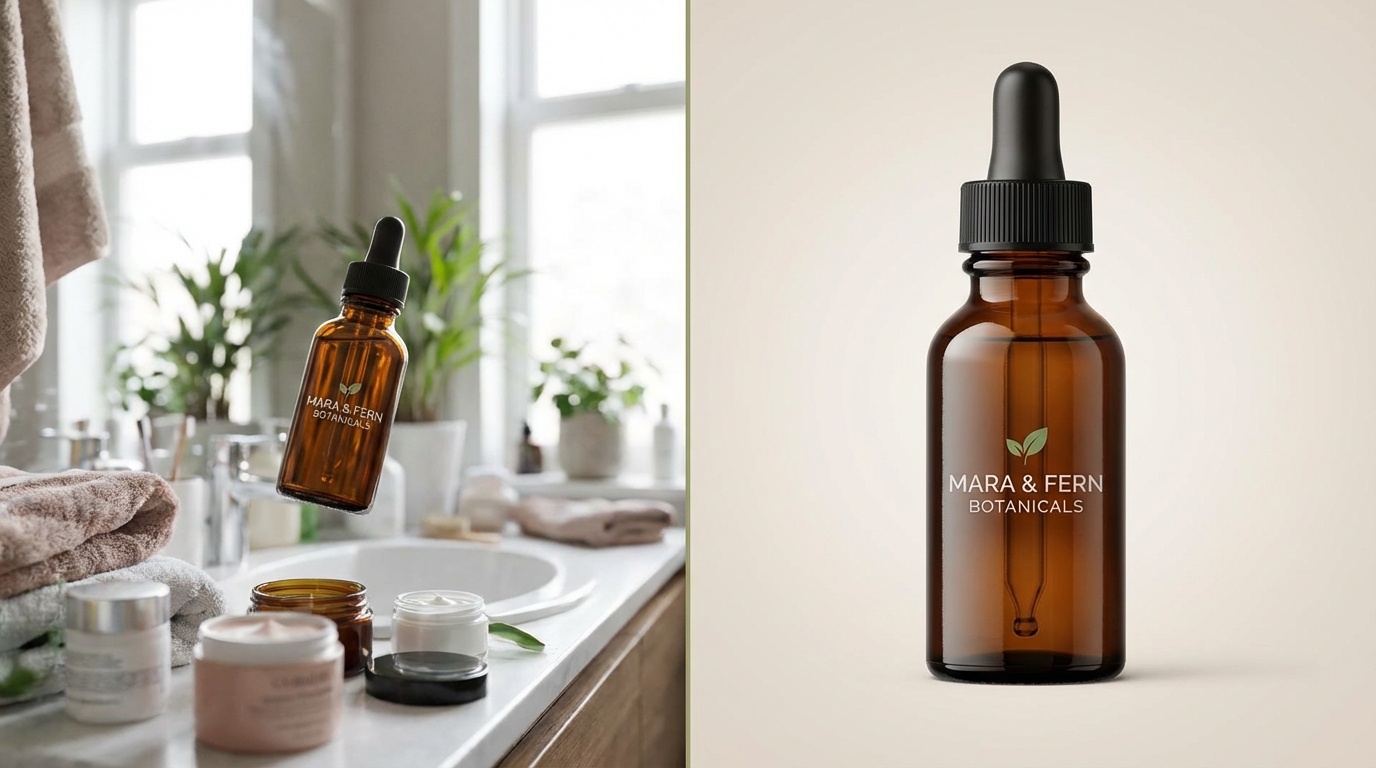
The real reason AI product photos trigger the uncanny valley
Most AI product generators are trained on editorial and lifestyle photography — campaigns where the scene is the hero and the product is a supporting character. This is perfect for a Nike ad. Disaster for a handmade Etsy candle.
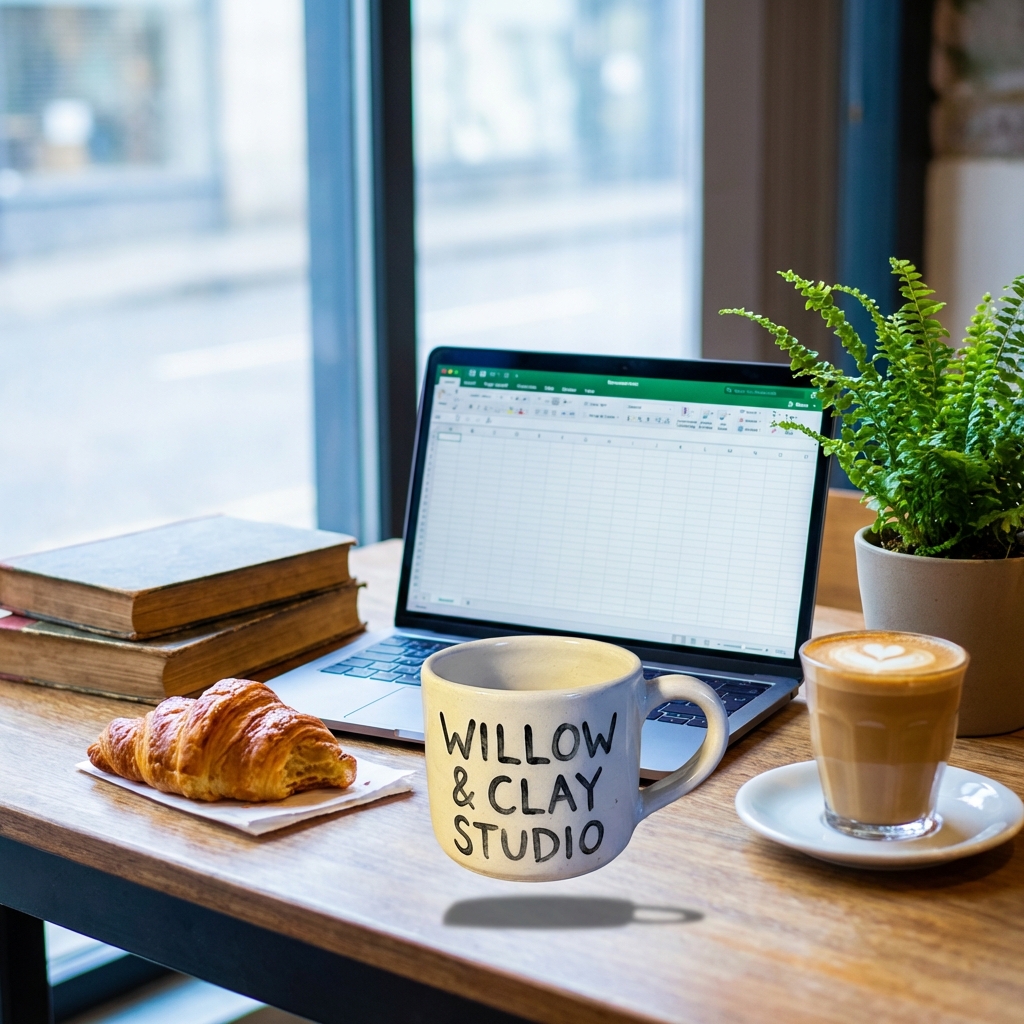
When the product is 20-30% of the frame, your brain notices three things that feel 'off':
1. The lighting on the product doesn't match the scene's lighting direction
2. Shadows fall wrong because the product was composited in, not photographed in the scene
3. Scale cues conflict — the product looks like it's floating at the wrong size
The fix isn't better AI. It's bigger product.
The 85% Rule: make the product dominate the frame
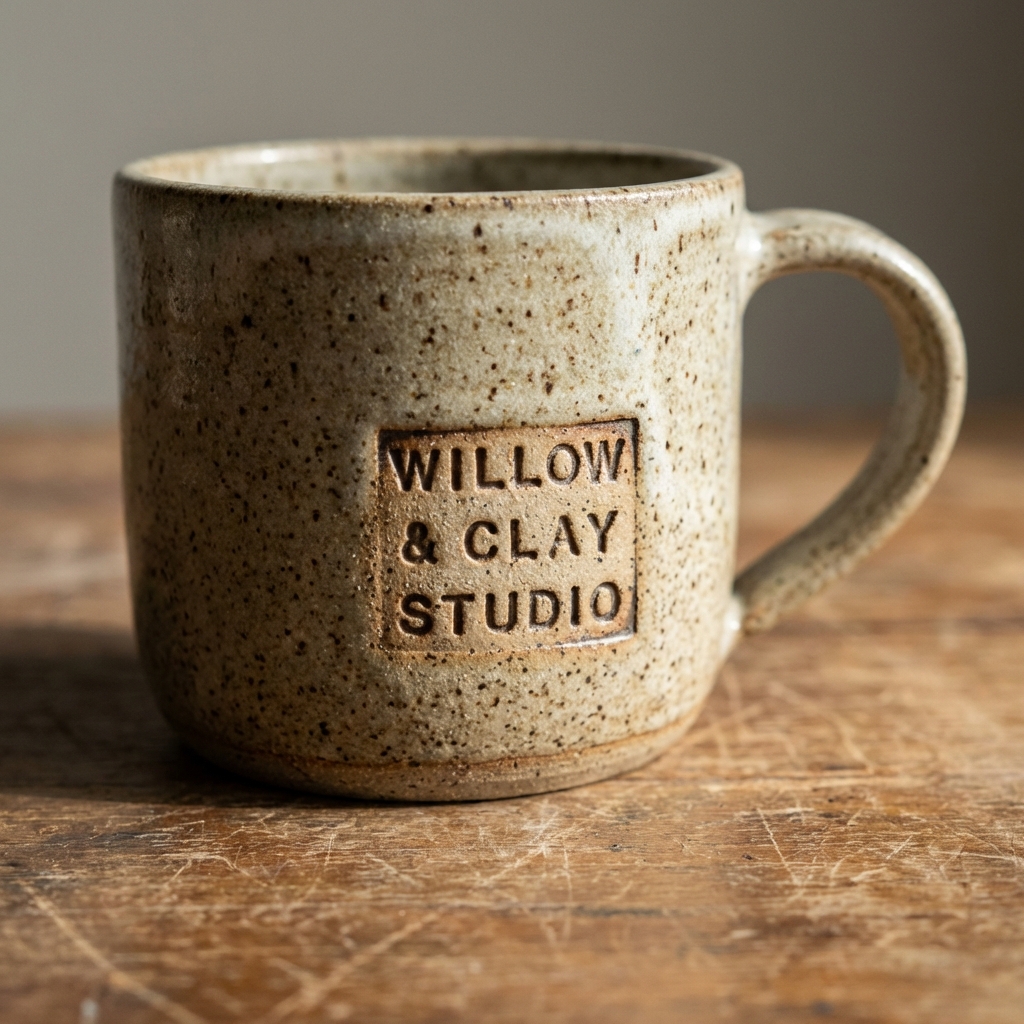
When your product fills 85-90% of the frame, three things happen:
1. Lighting inconsistencies become invisible (there's barely any background to conflict with)
2. Shadow artifacts disappear (shadows under the product are easy to render correctly)
3. Scale confusion goes away (the product IS the scale)
The output looks like a real studio shot because it functionally mimics one. Studio product photographers frame tight on purpose. The 85% Rule is just that, applied to AI.
What you actually get
Lighting coherence
Less background = fewer places for mismatched light to reveal the composite.
Shadow accuracy
Small, tight shadows under the product render reliably. Sprawling scenes don't.
Scale anchoring
When the product fills the frame, there's no 'why is this candle the size of a building' weirdness.
Grid conversion
Tight framing is also what converts on Etsy/Shopify grids. The 85% Rule wins aesthetically AND commercially.
Made by one person, for people like you
EcomFlash isn't VC-funded. There's no sales team, no 20-person growth squad. It's one indie dev shipping a tool for solo sellers who need studio-quality photos without the studio bill. If something's broken, I fix it the same week. If you have an edge case, email me — I'll try to solve it.
One plan. No tiers. No lock-in.
- 60 AI product photos / month
- The 85% Rule framing on every shot
- Web + iOS + Android
- Cancel anytime
Frequently asked
Does this apply to all product categories?
Won't 85% look weird for lifestyle shots?
Why don't other AI tools do this?
Can I test the 85% Rule myself?
Is the 85% Rule a real industry term?
Stop letting bad photos cost you sales.
Try it free. If it doesn't look like a real studio shot, don't pay.
Try the 85% Rule with EcomFlash